As cryptocurrency adoption grows, securing digital assets has never been more critical. Secure multi-sig wallets provide an extra layer of protection by requiring multiple approvals before transactions can occur. Whether for personal use, corporate treasury, or decentralized organizations (DAOs), multi-signature wallets help prevent theft, reduce human error, and increase trust in digital asset management.
For a detailed guide on multi-sig wallets and crypto security best practices, check out CoinDesk’s Multi-Sig Wallet Guide.
What Are Multi-Sig Wallets?
Multi-signature wallets, or multi-sig wallets, require more than one private key to authorize a cryptocurrency transaction. Unlike traditional wallets, which use a single signature (single-sig) for approval, multi-sig wallets distribute control among multiple parties.
1. Definition and Key Features
A multi-sig wallet enhances security by requiring multiple keys for every transaction. Features include shared access, configurable approvals, and backup redundancy.
2. How Multi-Sig Works
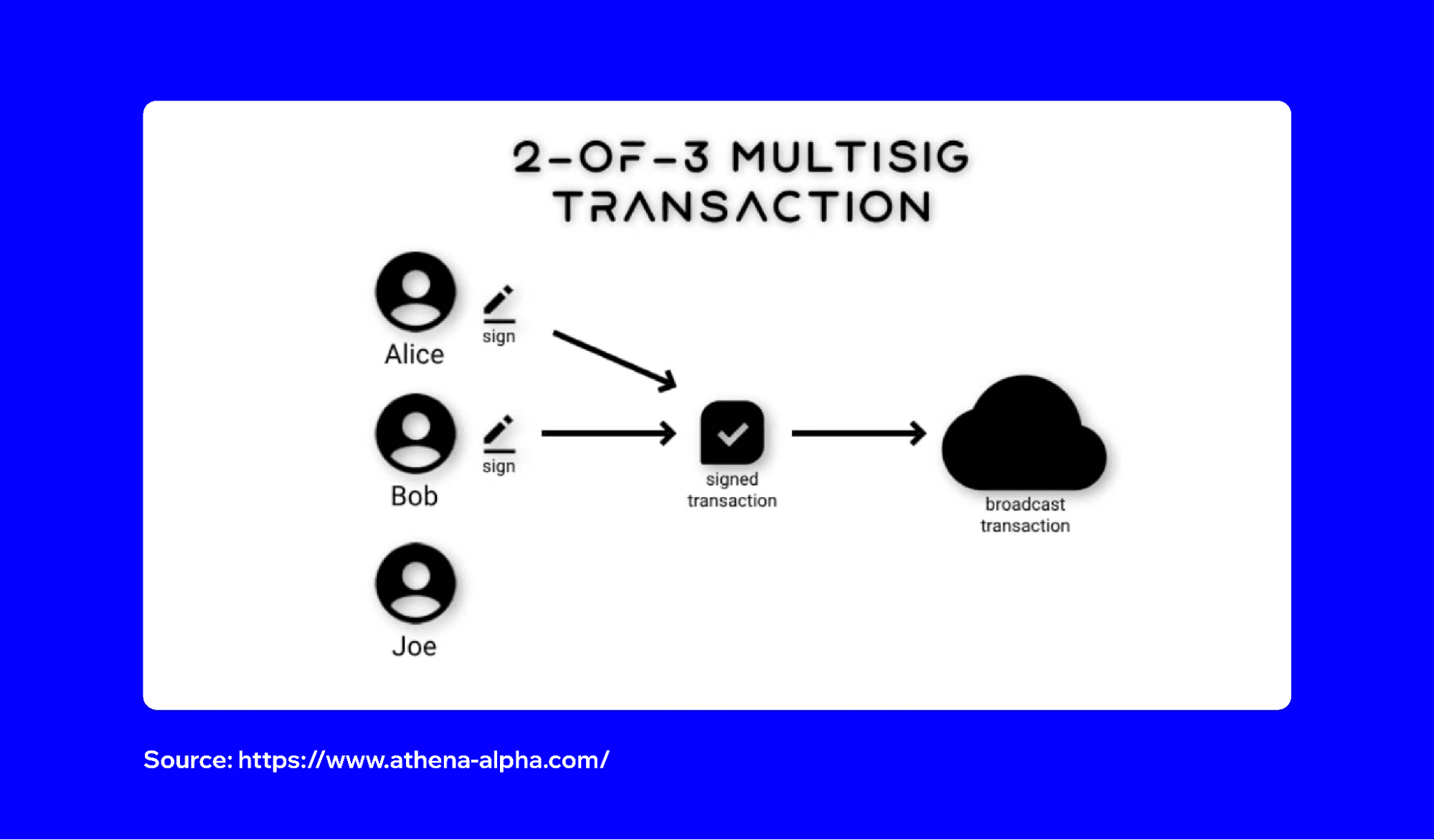
When a transaction is initiated, a predetermined number of signers must approve it before the blockchain records it. For example, a 2-of-3 multi-sig wallet requires approval from any two of three designated signers.
3. Difference Between Single-Sig and Multi-Sig Wallets
- Single-Sig Wallet: Only one private key controls transactions.
- Multi-Sig Wallet: Multiple keys are required, reducing the risk of a single point of failure.
Why Secure Multi-Sig Wallets Are Important
- Protection Against Theft: Even if one key is compromised, unauthorized transactions cannot occur.
- Reducing Human Error: Multiple approvals prevent mistakes like sending funds to the wrong address.
- Enhancing Trust in Multi-User Transactions: Ideal for corporate accounts, DAOs, or shared funds.
Types of Multi-Sig Wallets
1. Hardware-Based Multi-Sig Wallets
Physical devices like Ledger or Trezor store keys offline and require manual approval for each transaction.
2. Software-Based Multi-Sig Wallets
Applications like Electrum or Casa Wallet allow multi-sig setup through mobile or desktop platforms.
3. Custodial vs. Non-Custodial Multi-Sig Wallets
- Custodial: A service provider manages the wallet keys; ideal for enterprises seeking convenience.
- Non-Custodial: Users fully control their keys; offers maximum security and decentralization.
How to Set Up a Secure Multi-Sig Wallet
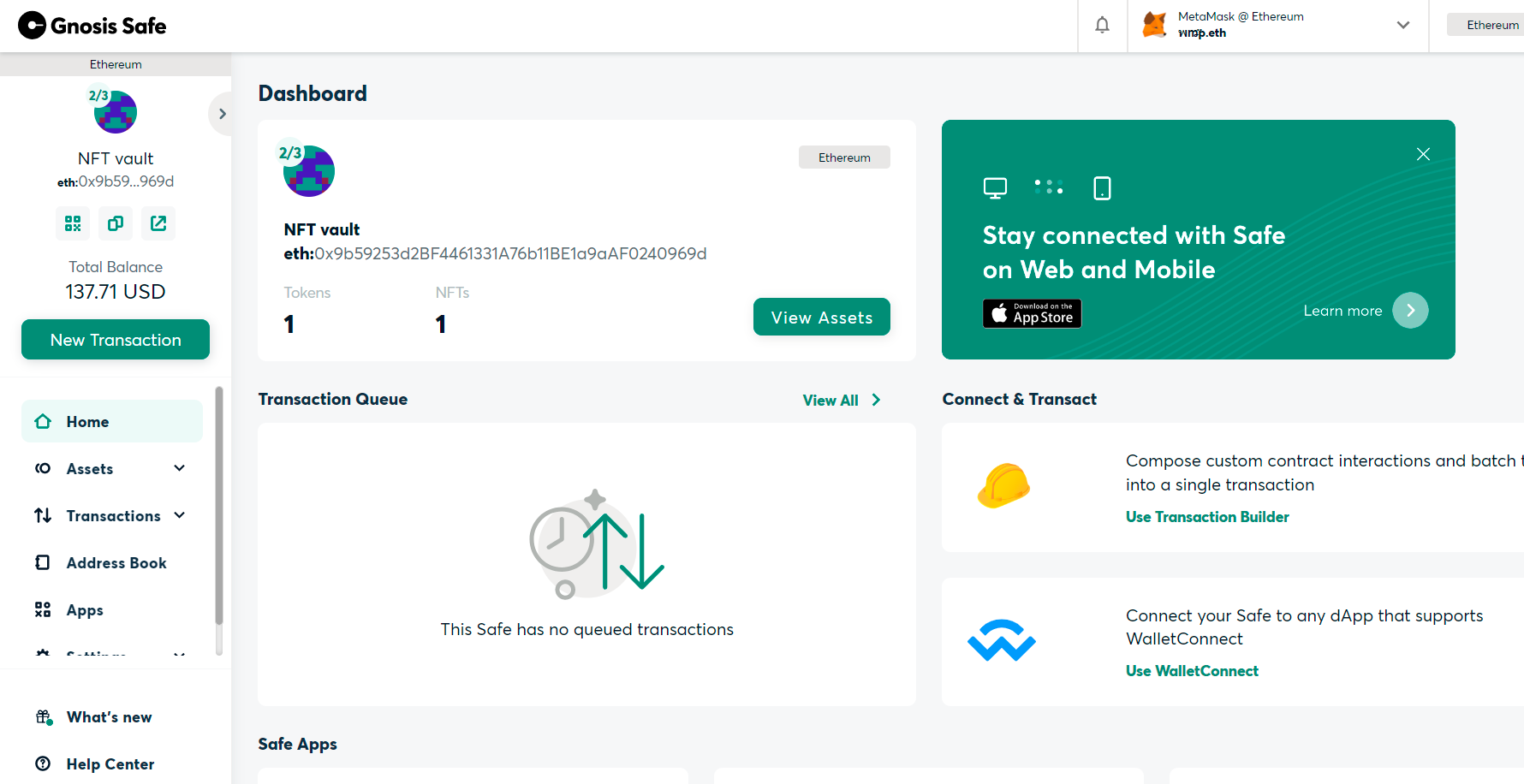
- Select the Wallet Provider: Choose a trusted platform like Gnosis Safe, BitGo, or Electrum.
- Determine the Number of Signers: Decide how many approvals are needed (e.g., 2-of-3, 3-of-5).
- Create the Wallet and Share Keys: Assign keys to trusted participants.
- Test the Setup Before Real Funds: Perform small test transactions to ensure functionality.
Top Secure Multi-Sig Wallets in 2026
- Gnosis Safe: Leading Ethereum-based multi-sig wallet for DAOs and individuals.
- BitGo: Enterprise-grade wallet with multi-sig and insurance coverage.
- Casa Wallet: Focuses on personal crypto security with easy multi-sig setup.
- Electrum: Open-source Bitcoin wallet with advanced multi-sig features.
- Kraken Wallet: Supports multi-sig features for selected enterprise and personal accounts.
Best Practices for Multi-Sig Wallet Security
- Limit Access to Private Keys: Only trusted participants should hold keys.
- Use Hardware Wallets: Reduces exposure to malware and phishing attacks.
- Regularly Update Software: Keep wallets patched and secure.
- Plan for Recovery: Have procedures for lost keys or inactive signers.
Real-World Use Cases of Multi-Sig Wallets
- Crypto Funds and DAOs: Voting-based approvals for treasury management.
- Corporate Treasury Management: Secure corporate assets and enforce internal controls.
- Joint Personal Accounts: Family or shared investment funds requiring multiple approvals.
Risks and Challenges of Multi-Sig Wallets
- Complexity for Beginners: Multi-sig setup can be confusing for new users.
- Dependency on All Signers: Transaction delays if signers are unavailable.
- Technical Failures and Backup Risks: Losing multiple keys can lock funds permanently.
Integrating Multi-Sig Wallets with Other Security Tools
- Cold Storage Solutions: Combine multi-sig with offline storage for maximum protection.
- Multi-Layer Authentication: Use biometrics or 2FA alongside multi-sig.
- Blockchain Analytics: Monitor transactions for anomalies and potential threats.
Future Trends in Secure Multi-Sig Wallets
- Smart Contract Automation: Automatically execute transactions when conditions are met.
- Layer-2 Security Solutions: Reduce fees while maintaining multi-sig protection.
- Decentralized Finance (DeFi) Integration: Multi-sig wallets will control DeFi treasuries safely.
- AI-Assisted Fraud Detection: Early detection of suspicious transactions across wallets.
FAQs About Secure Multi-Sig Wallets
1. What makes a multi-sig wallet secure?
Multiple keys are required to approve transactions, reducing single-point-of-failure risks.
2. Can I recover a wallet if a signer loses their key?
Yes, if your setup allows redundancy (e.g., 2-of-3). Without backup keys, funds may be lost.
3. Are multi-sig wallets suitable for beginners?
They can be complex, but platforms like Casa or Gnosis Safe simplify setup.
4. Do all cryptocurrencies support multi-sig wallets?
Not all; Bitcoin, Ethereum, and major altcoins typically support multi-sig setups.
5. How does multi-sig prevent fraud?
Unauthorized transactions require multiple signatures, preventing a single hacker from stealing funds.
6. Which is the best multi-sig wallet for enterprise use?
BitGo and Gnosis Safe are widely used by businesses and DAO treasuries.
Conclusion
Secure multi-sig wallets are essential for protecting cryptocurrency in 2026. They reduce theft risks, prevent errors, and increase trust for multi-user accounts. By following best practices, choosing the right wallet, and integrating with other security tools, users can safeguard their crypto assets effectively.