What Is Artificial Intelligence in Business?
Artificial Intelligence in Business refers to the use of advanced computer systems that can analyze data, learn from patterns, and make decisions with minimal human intervention. These systems simulate human intelligence to improve business processes, increase efficiency, and support strategic growth.
Today, Artificial Intelligence in Business is no longer a futuristic idea — it is a practical tool shaping modern organizations.
Machine Learning and Automation
Machine learning allows systems to improve automatically through experience. Instead of being programmed for every situation, AI learns from large data sets and adapts over time.
Automation powered by AI can:
- Process invoices
- Detect fraud
- Manage inventory
- Recommend products
This reduces manual work and improves accuracy.
AI vs Traditional Software
Traditional software follows fixed rules. AI systems, however, analyze patterns and adapt to new information. That flexibility makes AI more powerful in complex environments.
Why Artificial Intelligence in Business Matters Today

4
Modern businesses generate enormous amounts of data daily. Without AI, analyzing this data would be slow and inefficient.
Data-Driven Decision Making
AI helps leaders make smarter decisions by analyzing trends, forecasting demand, and identifying risks.
For example:
- Predicting customer behavior
- Detecting supply chain disruptions
- Optimizing pricing strategies
Companies that use data effectively gain a competitive advantage.
Personalization at Scale
Customers expect personalized experiences. AI analyzes user behavior to provide tailored recommendations, targeted ads, and customized services.
Platforms like:
https://cloud.google.com/ai
demonstrate how scalable AI solutions can transform customer engagement.
Core Applications of AI in Business
Artificial Intelligence in Business impacts nearly every department.
AI in Marketing
AI tools analyze consumer data to create highly targeted campaigns. They optimize advertising budgets and increase conversion rates.
Examples include:
- Email marketing automation
- Social media analytics
- Recommendation engines
AI in Customer Service
4
Chatbots and virtual assistants provide 24/7 support. They answer common questions instantly and reduce workload for human agents.
This improves response time and customer satisfaction.
AI in Operations
AI optimizes logistics, monitors equipment performance, and predicts maintenance needs. Smart algorithms help reduce downtime and improve productivity.
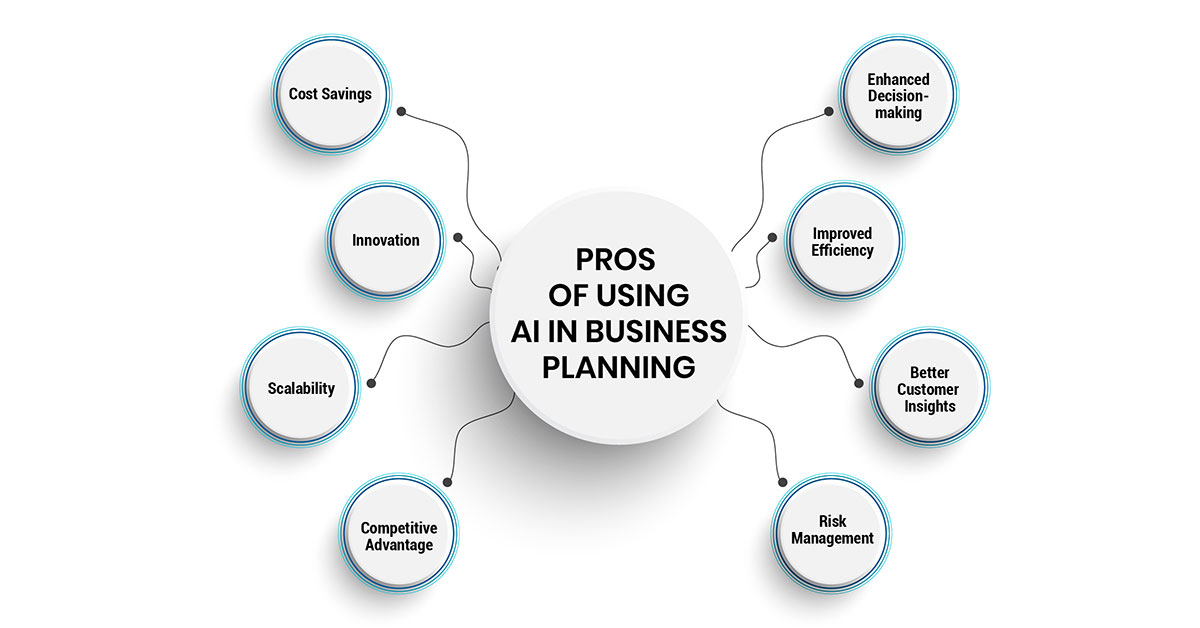
Benefits of Artificial Intelligence in Business
Cost Reduction
AI reduces operational costs by automating repetitive tasks and minimizing errors. Businesses can allocate human resources to more strategic activities.
Faster Innovation
AI accelerates product development by analyzing market trends and customer feedback. Companies can launch products faster and adapt quickly to change.
Improved Accuracy
Machine learning reduces human error in areas such as data entry, fraud detection, and financial forecasting.
Enhanced Competitive Advantage
Organizations that implement AI effectively outperform competitors who rely solely on traditional systems.
Industry Examples

AI adoption spans multiple industries.
Retail
AI analyzes purchasing behavior to suggest products and manage inventory efficiently.
Healthcare
AI assists doctors in diagnosing diseases using imaging and predictive analysis.
Finance
Banks use AI to detect fraudulent transactions and assess credit risk more accurately.
Manufacturing
Smart factories use AI-powered robots to increase production speed and precision.
Challenges of Implementing AI
Despite its advantages, Artificial Intelligence in Business comes with challenges.
High Initial Costs
AI implementation requires investment in infrastructure, training, and technology.
Data Privacy Concerns
Businesses must comply with regulations and protect customer data from breaches.
Workforce Resistance
Employees may fear automation replacing jobs. Clear communication and training help ease concerns.
Steps to Successfully Adopt AI
- Define Clear Objectives
Identify problems AI can solve. - Assess Data Quality
Reliable data is essential for accurate AI models. - Start Small
Pilot projects reduce risk. - Train Employees
Upskilling ensures smooth integration. - Monitor Performance
Track KPIs and adjust strategies accordingly.
Future Trends in AI for Business
The future of Artificial Intelligence in Business includes:
- Generative AI tools
- Advanced predictive analytics
- Voice and conversational AI
- Autonomous systems
- Stronger AI governance frameworks
As technology advances, AI will become even more integrated into daily operations.
Frequently Asked Questions (FAQs)
1. Is Artificial Intelligence in Business only for large companies?
No. Small and medium-sized businesses can also benefit from scalable AI solutions.
2. Does AI replace human workers?
AI automates repetitive tasks but often creates new roles requiring advanced skills.
3. How expensive is AI implementation?
Costs vary depending on scope, but cloud-based solutions reduce upfront investment.
4. Is AI secure?
AI systems can be secure if businesses implement strong cybersecurity measures.
5. How long does it take to see results?
Some improvements appear quickly, while larger transformations take months or years.
6. What industries benefit most from AI?
Retail, healthcare, finance, manufacturing, and logistics see significant benefits.
Conclusion
Artificial Intelligence in Business is transforming industries worldwide. By improving efficiency, enhancing customer experiences, and enabling data-driven decisions, AI provides a powerful competitive edge.
While challenges exist, organizations that adopt AI strategically and responsibly can unlock long-term growth and innovation.
The future belongs to intelligent enterprises — and the journey starts now.