What Is Digital Transformation?
Digital Transformation refers to integrating digital technologies into all areas of a business or organization to fundamentally change how it operates and delivers value to customers. It goes beyond simply adopting new software. Instead, it reshapes processes, culture, and customer interactions.
In today’s fast-paced world, Digital Transformation is no longer optional. It’s essential for survival and growth.
Digitization vs Digitalization vs Digital Transformation
Understanding the difference is crucial:
- Digitization: Converting analog information into digital form (e.g., scanning documents).
- Digitalization: Using digital tools to improve processes.
- Digital Transformation: A complete strategic shift using digital technologies to redefine business models.
Digital Transformation involves long-term change, not short-term upgrades.
Why Digital Transformation Matters Today
Customers expect speed, convenience, and personalization. Businesses that fail to adapt risk falling behind competitors.
Companies embracing Digital Transformation often gain:
- Faster decision-making
- Greater efficiency
- Stronger customer loyalty
- Increased revenue opportunities
Core Technologies Powering Digital Transformation
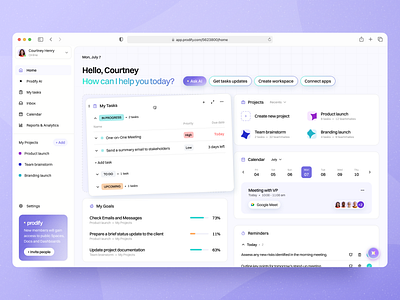
Several key technologies drive Digital Transformation initiatives.
Artificial Intelligence and Automation
AI enables machines to analyze data, predict trends, and automate repetitive tasks. Businesses use AI for chatbots, fraud detection, marketing personalization, and predictive maintenance.
Automation reduces human error and increases productivity.
Cloud Computing and Scalability
Cloud platforms allow businesses to store data and run applications online rather than on physical servers. This provides flexibility, scalability, and cost savings.
Popular cloud service providers include:
https://aws.amazon.com/
Cloud adoption is often the first step toward Digital Transformation.
Big Data and Analytics
Data is the new oil. Companies collect vast amounts of information daily. Analytics tools transform raw data into actionable insights.
With proper analysis, businesses can:
- Predict customer behavior
- Optimize supply chains
- Improve marketing campaigns
Key Benefits of Digital Transformation
Digital Transformation delivers measurable advantages.
Improved Customer Experience
Digital tools allow companies to personalize communication and provide seamless experiences across multiple platforms.
Examples include:
- Mobile apps
- Online customer portals
- AI chat support
- E-commerce platforms
Customers today expect instant responses and easy access.
Operational Efficiency
Automation and digital systems reduce manual work, eliminate paperwork, and speed up workflows.
Benefits include:
- Lower operational costs
- Reduced processing time
- Fewer errors
Efficiency increases profitability.
Faster Innovation Cycles
Digital platforms allow rapid testing and development of new products. Companies can respond quickly to market changes.
Innovation becomes continuous rather than occasional.
Digital Transformation Across Industries
Healthcare Digitization
Digital Transformation affects nearly every industry.
Telemedicine allows remote consultations. Electronic health records improve data access and patient care.
Digital tools enhance diagnosis accuracy and reduce administrative tasks.
Retail and E-Commerce Expansion
Retailers now offer omnichannel experiences — combining physical stores with online platforms.
Customers can:
- Shop online
- Pick up in-store
- Receive personalized offers
Finance and Digital Banking
Mobile banking apps allow customers to transfer money, invest, and manage accounts anytime.
Fintech innovations increase convenience and security.
Challenges in Digital Transformation
Despite benefits, challenges exist.
Organizational Culture Barriers
Employees may resist change. Leadership must communicate clearly and support training programs.
Successful Digital Transformation requires a cultural shift.
Data Privacy and Security Risks
Digital systems can be vulnerable to cyberattacks. Companies must implement strong cybersecurity measures and comply with regulations.
Security builds trust.
Steps to Implement Digital Transformation Successfully
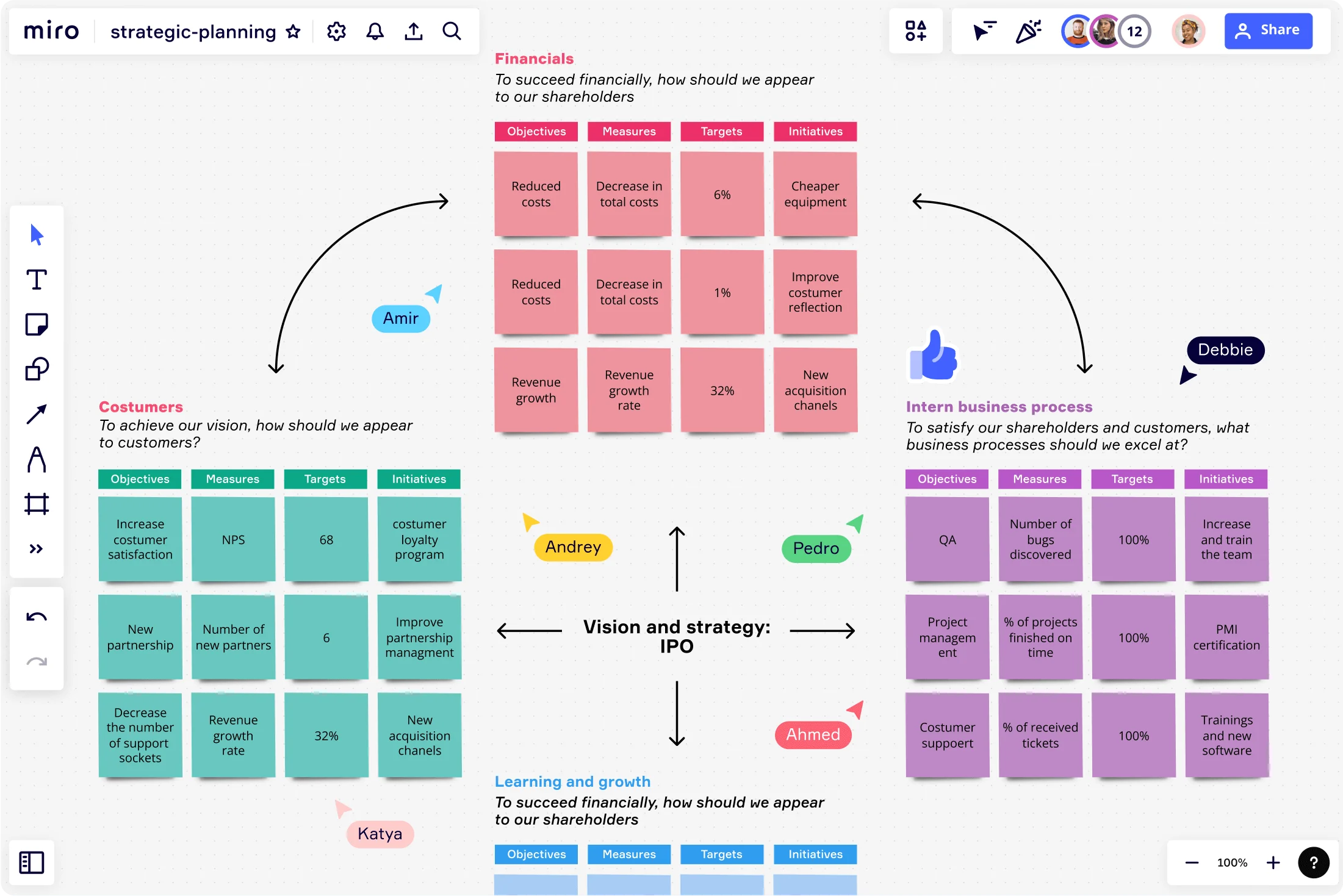
Leadership and Vision
Strong leadership defines goals and aligns digital initiatives with business strategy.
Employee Training and Upskilling
Investing in workforce development ensures employees adapt to new technologies.
Continuous learning drives innovation.
Develop a Clear Roadmap
A strategic plan should outline:
- Goals
- Timelines
- Budget allocation
- Performance indicators
Clear direction prevents wasted resources.
Measuring Digital Transformation Success
Businesses track progress using Key Performance Indicators (KPIs), such as:
- Customer satisfaction rates
- Revenue growth
- Operational cost savings
- Digital adoption rates
Regular evaluation ensures long-term success.
Future Trends in Digital Transformation
The future includes:
- Increased AI integration
- Greater automation
- Expansion of 5G connectivity
- Blockchain applications
- Enhanced cybersecurity frameworks
Digital Transformation will continue reshaping industries worldwide.
Frequently Asked Questions (FAQs)
1. Is Digital Transformation only for large companies?
No. Small and medium businesses can also benefit significantly.
2. How long does Digital Transformation take?
It varies. Some initiatives take months, others years.
3. What is the biggest risk in Digital Transformation?
Poor planning and lack of employee support.
4. Does Digital Transformation increase costs?
Initially, yes. However, long-term efficiency often reduces costs.
5. How can businesses start?
Begin with a digital assessment and define clear goals.
6. Why is leadership important?
Leadership sets direction and ensures accountability.
Conclusion
Digital Transformation is reshaping the global business landscape. Organizations that embrace innovation, invest in technology, and support their workforce gain significant competitive advantages.
While challenges exist, the long-term benefits far outweigh the risks. With a clear strategy, strong leadership, and continuous improvement, Digital Transformation can unlock sustainable growth and lasting success.
The future is digital — and the time to transform is now.