In the fast-paced world of Software-as-a-Service (SaaS), pricing isn’t just a number—it’s a strategic lever that can drive or hinder growth. Companies that experiment with pricing intelligently can uncover opportunities to maximize revenue, improve customer retention, and better align with market demand. This guide explores SaaS pricing experiments, key metrics to track, real-world case studies, and actionable strategies you can implement today.
For a deeper dive into SaaS pricing strategies, check out ProfitWell Pricing Strategies, which provides detailed guides and case studies.
Understanding SaaS Pricing Models
Choosing the right pricing model is crucial before running experiments. Common approaches include:
1. Freemium vs. Free Trial
Freemium models give users access to basic features for free indefinitely, while free trials provide temporary access to premium features. Experiments here usually focus on the conversion rate from free to paid plans.
2. Flat-Rate Pricing
A single fixed price is simple and transparent. Experiments may involve raising or lowering the price to see the effect on acquisition and retention.
3. Tiered Pricing
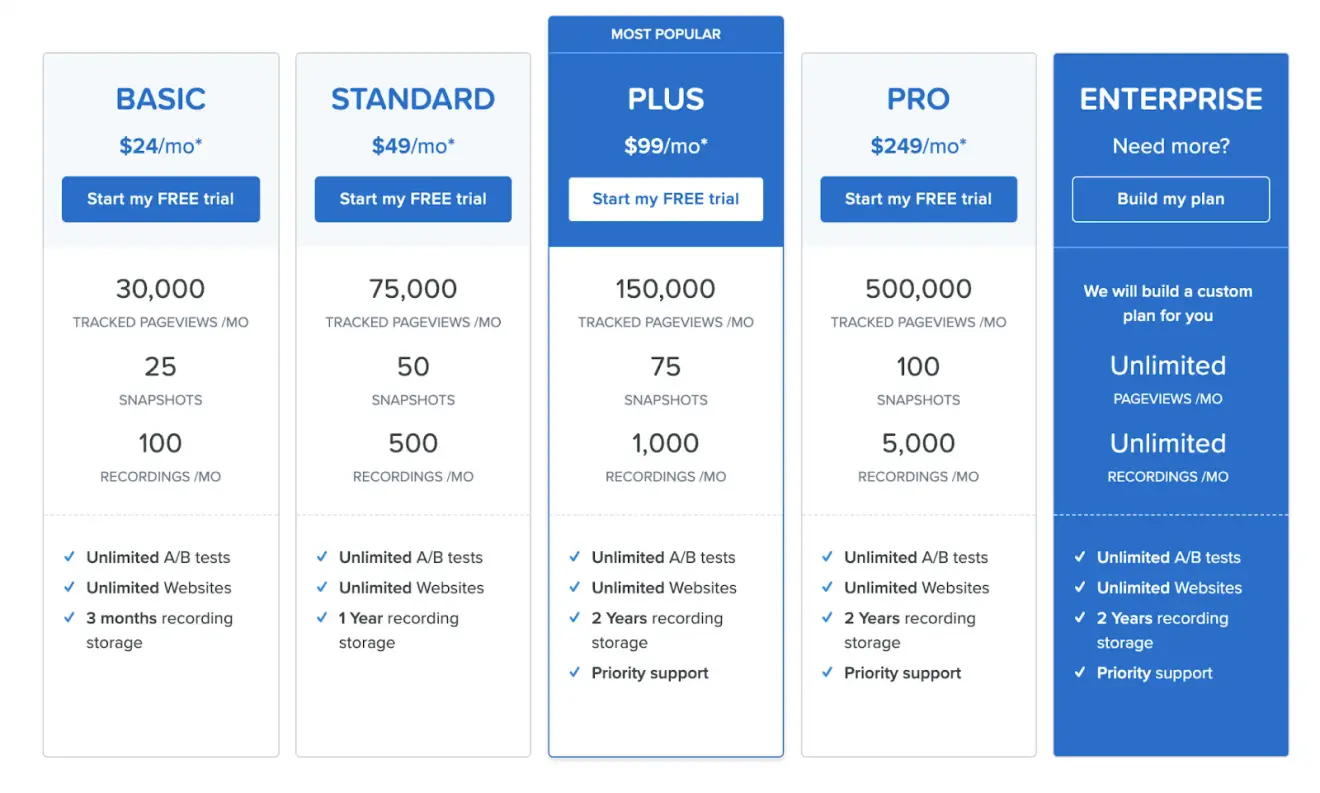
Tiered pricing offers multiple plans with different features and costs. Experimentation can include adjusting tiers, reassigning features, or testing price gaps between tiers.
4. Usage-Based Pricing
Pricing based on usage—like API calls, storage, or transactions—requires tracking usage patterns. Experiments often test thresholds or per-unit pricing to find the optimal revenue point.

9
Why Pricing Experiments Matter
Pricing experiments are more than revenue tweaks—they provide insights into customer behavior and market positioning.
- Impact on Revenue and Growth: Small price changes can significantly increase Monthly Recurring Revenue (MRR).
- Understanding Customer Segments: Experiments help reveal how different segments perceive value.
- Reducing Churn Through Optimal Pricing: Offering the right price for each segment can reduce cancellations.
Key Metrics to Track During Pricing Experiments
Successful pricing experiments rely on precise measurement. Key metrics include:
Conversion Rate: Percentage of users upgrading from free to paid plans.
Customer Acquisition Cost (CAC): Cost to acquire a customer relative to revenue.
Lifetime Value (LTV): Total revenue generated by a customer over their lifetime.
Churn Rate: Percentage of customers leaving per month.
Average Revenue Per User (ARPU): How much revenue each user contributes on average.
7 SaaS Pricing Experiments You Can Run Today
1. A/B Testing Price Points
Test two or more price points for the same plan to see which maximizes revenue without hurting conversions.
2. Testing Different Trial Lengths
Experiment with 7-day, 14-day, or 30-day trials to optimize the balance between urgency and customer satisfaction.
3. Introducing Premium Features
Adding new features can justify higher pricing. Test if the new features influence upgrades.
4. Bundling Products
Offer packages combining features or services at a discount to test willingness to pay.
5. Pay-What-You-Want Experiment
For niche products, letting customers set their own price reveals perceived value.
6. Regional Pricing Adjustments
Test different pricing in various countries based on local purchasing power and competition.
7. Discount & Promotional Offers
Test time-limited discounts or promotions to gauge their effect on conversions and retention.
Tools to Conduct Pricing Experiments
Several tools make pricing experiments easier:
Price Optimization Platforms: Dynamic adjustments using AI.
Analytics Tools: Track customer behavior and revenue impact.
A/B Testing Software: Segment users and compare results.
Customer Feedback Surveys: Gather qualitative data to inform pricing decisions.
Case Studies of Successful SaaS Pricing Experiments
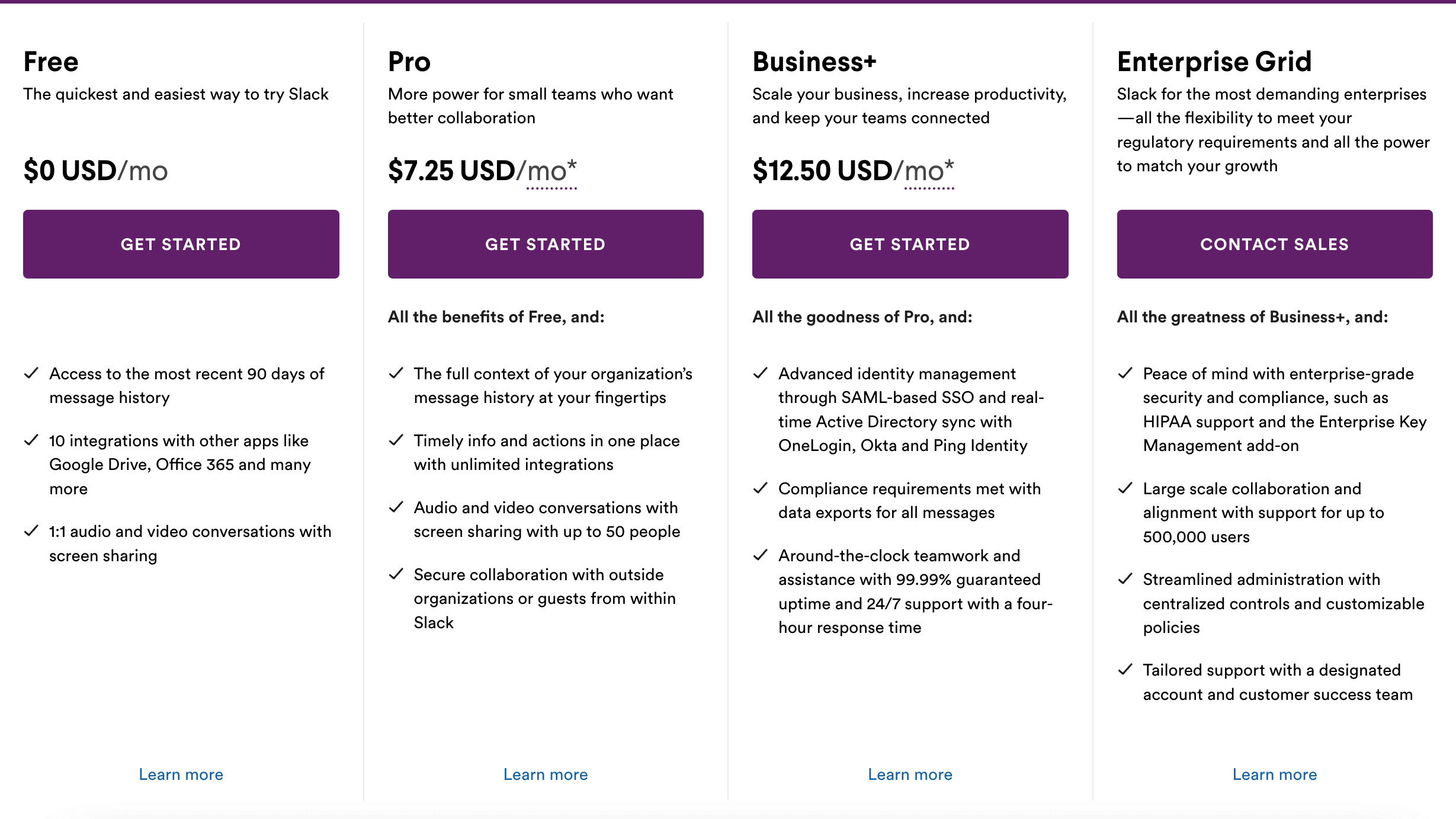
1. Slack Pricing Tier Experiment
Slack increased paid conversions by adjusting feature access between tiers and testing price gaps.
2. Dropbox Freemium to Paid Conversion
Dropbox experimented with storage limits and premium incentives, significantly boosting paid subscriptions.
3. HubSpot Regional Pricing Test
HubSpot tested lower prices in emerging markets while maintaining global pricing in developed markets.
Common Mistakes in SaaS Pricing Experiments
Ignoring customer segmentation.
Not tracking metrics properly.
Testing too many variables at once.
Best Practices for Running SaaS Pricing Experiments
Start small and scale successful experiments.
Communicate pricing changes clearly to customers.
Base decisions on data, not assumptions.
Iterate continuously to refine pricing strategies.
Predicting the Outcome of Pricing Experiments
Model results to forecast impact:
Revenue Impact: How price changes affect MRR.
Churn Reduction: Identify whether new pricing reduces cancellations.
ROI Calculation: Measure the profitability of each experiment.
Aligning Pricing with Product Strategy
Feature Differentiation: Ensure pricing reflects feature value.
Value-Based Pricing: Price according to the customer’s perceived value.
Competitive Benchmarking: Compare pricing against competitors to stay competitive.
SaaS Pricing Experiments and Customer Psychology
Price Anchoring: Presenting a higher-priced option makes other plans appear more affordable.
Decoy Pricing: Introduce a less attractive option to influence choice.
Loss Aversion: Highlight what customers lose if they don’t upgrade or subscribe.
Scaling Experiments Across Markets
Adjust pricing for international markets.
Segment by industry to reflect willingness to pay.
Factor in local currency fluctuations and consumer behavior.
FAQs About SaaS Pricing Experiments
1. How often should I run pricing experiments?
Quarterly or whenever major product or market changes occur.
2. What’s the safest way to test pricing?
Use A/B testing on small user segments to minimize risk.
3. Can pricing experiments reduce churn?
Yes, especially when aligned with customer segments and perceived value.
4. Which SaaS companies have successfully experimented?
Slack, Dropbox, HubSpot, Zoom, Canva.
5. Should I experiment with freemium plans?
Absolutely. Freemium models are ideal for conversion and feature-value testing.
6. How long does a pricing experiment usually take?
Typically 2–6 weeks, depending on user volume and statistical significance.
Conclusion
SaaS pricing experiments are not just financial exercises—they are strategic tools that reveal customer behavior, product value, and market positioning. By running careful, data-driven experiments, tracking the right metrics, and iterating continuously, SaaS companies can optimize pricing for growth, retention, and long-term profitability.
Start small, test boldly, and let your pricing strategy evolve with your customers. For more, check ProfitWell Pricing Strategies.